
Conductor material determines core performance of power cables. Most engineers face a critical decision: copper conductor cable or aluminum conductor cable. Many buyers simply choose by price, ignoring conductivity, connection stability, installation constraints and long‑term operating risks. Improper conductor selection will bring hidden safety troubles and extra maintenance expense for industrial, commercial and new‑energy projects.
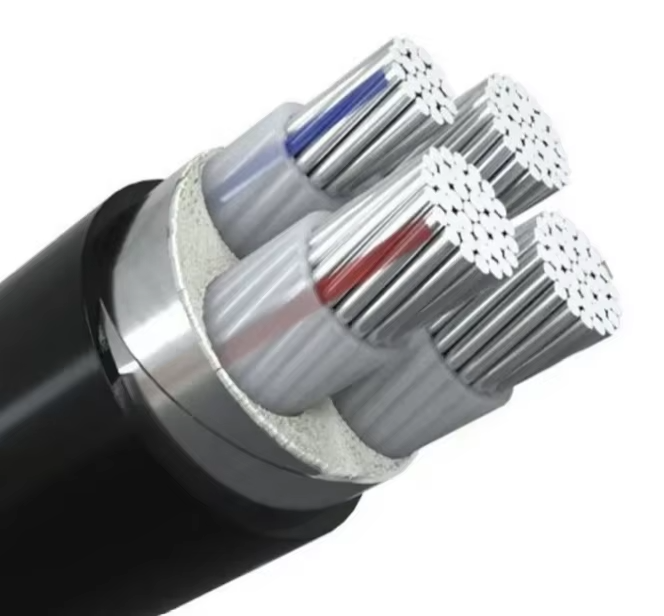
As an experienced cable manufacturer, we sort out practical comparison details between copper‑conductor and aluminum‑conductor cables, to support your project specification work.
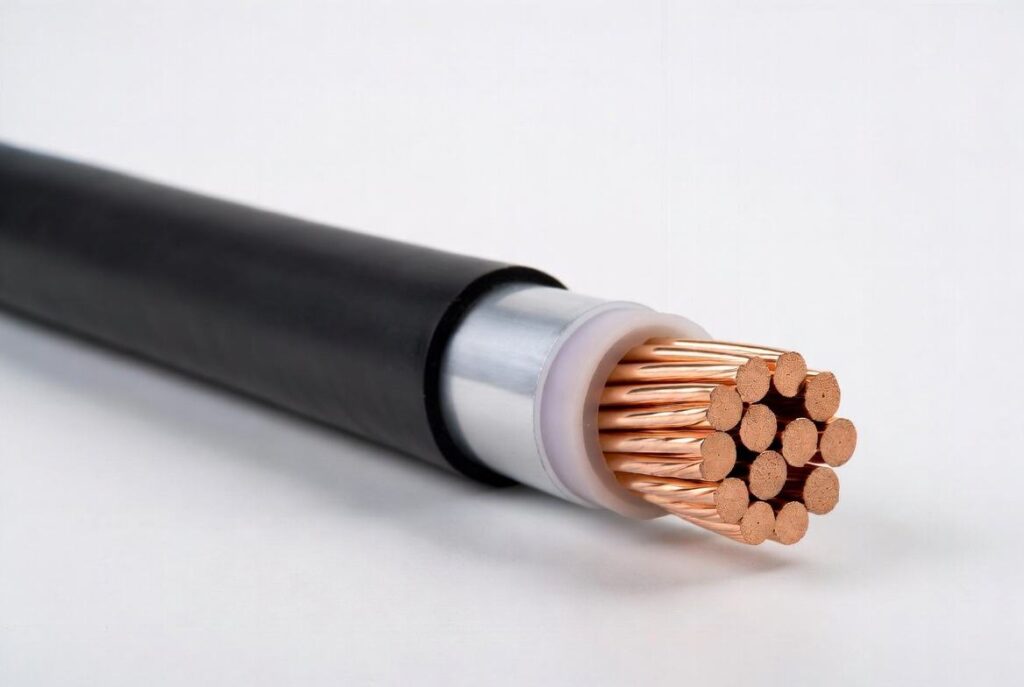
1. Electrical Conductivity Difference
Copper possesses higher electrical conductivity. Under equal cross‑section, copper cable delivers larger current carrying capacity and produces less heat loss. Aluminum has around 61 % conductivity of copper. To reach equivalent current capacity, aluminum cables need larger conductor cross‑section. For short‑distance high‑load circuits, copper maintains better electrical performance.
2‑Weight, Mechanical & Installation Performance
Aluminum conductor is much lighter. For long‑distance overhead transmission lines, aluminum cables reduce overall load on supports and towers. However, aluminum features poorer tensile strength and creep resistance. Under long‑term pressure at terminals, aluminum conductors are easy to deform, which may cause loose contact, local overheating and joint failure. Copper shows stable mechanical property and performs better in frequent vibration environments.
3. Cost Comparison: Initial Investment vs Whole‑life Cost
Aluminum raw material price is lower than copper. Aluminum cables cut one‑time procurement budget. But you should not only focus on upfront cost. Larger cross‑section raises cable outer diameter, increasing pipe‑tray and laying‑construction cost. In addition, aluminum cable requests special compatible terminals. If terminals are mismatched, connection failure risk rises sharply. Copper cable has higher purchase cost yet lower hidden‑trouble rate and fewer later‑stage maintenance costs.
4. Typical Application Scenarios
Copper‑conductor cables fit indoor distribution cabinets, building main power circuits, equipment internal wiring, short‑distance high‑current loops, projects requiring high‑reliability connections.
Aluminum‑conductor cables are widely applied for overhead power transmission, long‑distance outdoor trunk lines, large‑scale park power supply where weight advantage matters and standardized special connection accessories can be guaranteed.
Key Reminders For Engineering Specifiers
Never directly replace copper cable with aluminum cable of same cross‑section. You must recalculate current capacity and match corresponding terminals. Mixed‑connection of copper and aluminum conductors without transition fittings will trigger galvanic corrosion, which is a common hidden danger in practical projects.
Before ordering, evaluate project budget, laying route, load feature, supporting accessory supply condition, instead of only comparing unit price. Balancing initial cost and long‑term safety is the core principle for conductor‑material selection.
Whether you need copper or aluminum‑conductor power cables for industrial, commercial or new‑energy projects, reliable cable products and matched connection solutions avoid avoidable field failures.yidongjiaolian.com