
Choosing the right cable size is the foundation of safe and stable power system operation. Many electrical faults such as cable overheating, voltage drop, power loss and short circuits are caused by incorrect wire gauge selection. Using undersized cables leads to overload risks and accelerated aging, while oversized cables cause unnecessary project cost waste. Mastering standard cable size selection methods helps engineers build safer, more economical and compliant power distribution systems.
With more than 15 years of cable manufacturing and engineering service experience, Hunan Yidong Crosslinked Cable provides reliable cable size selection guidance for global industrial, commercial and new energy projects. We summarize key factors and practical rules for accurate wire gauge matching.
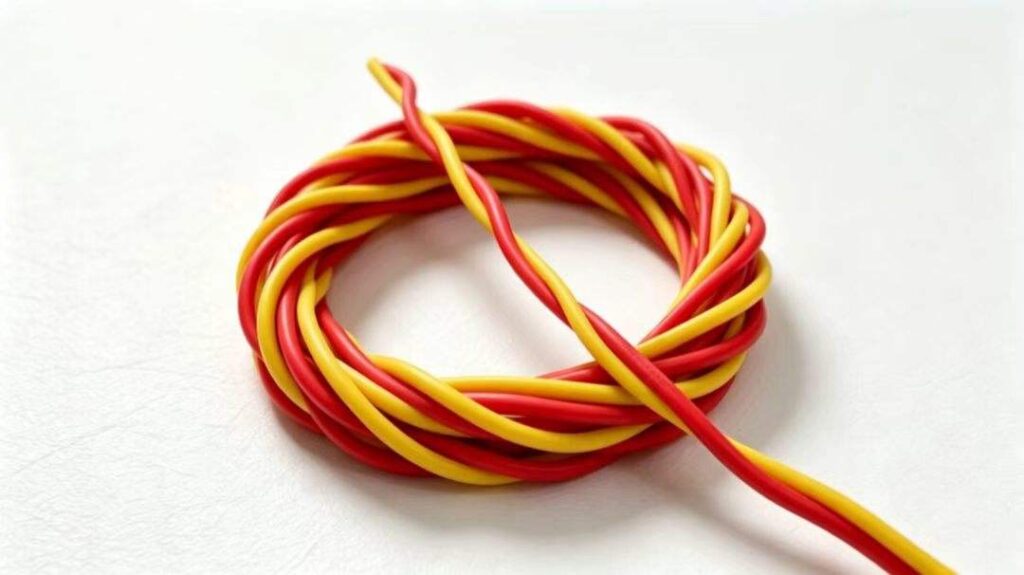
1. Calculate Actual Load Current
Load current is the primary basis for cable size selection. Different electrical equipment and working environments generate different rated currents. Before wiring construction, engineers need to calculate the total power and working current of all connected devices. The selected cable current carrying capacity must be higher than the actual operating current to avoid long-term overload and overheating problems.
For industrial equipment, high-power machinery and energy storage systems, current margin must be reserved to cope with instantaneous startup current and peak load changes.
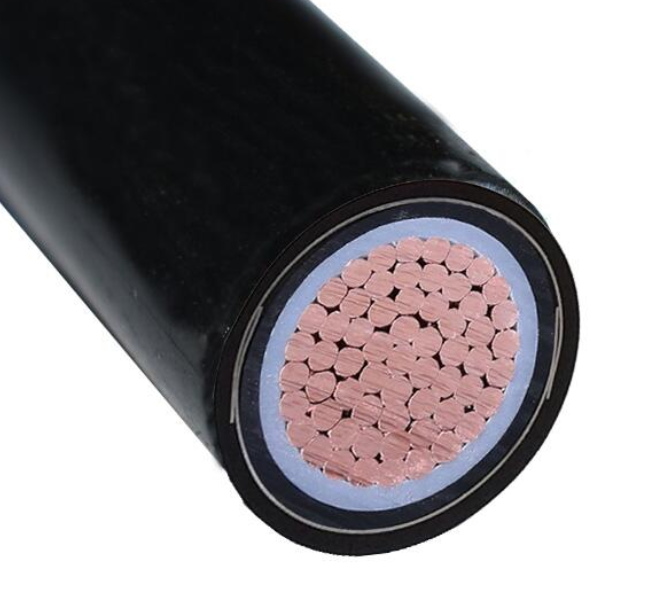
2. Consider Laying Distance & Voltage Drop
Long-distance power transmission will cause inevitable voltage drop. Too thin cable size will lead to excessive voltage loss, resulting in unstable equipment operation, low power efficiency and even startup failure. For long-distance wiring projects, it is necessary to appropriately increase the cable wire gauge to ensure stable voltage and normal power supply at the terminal.
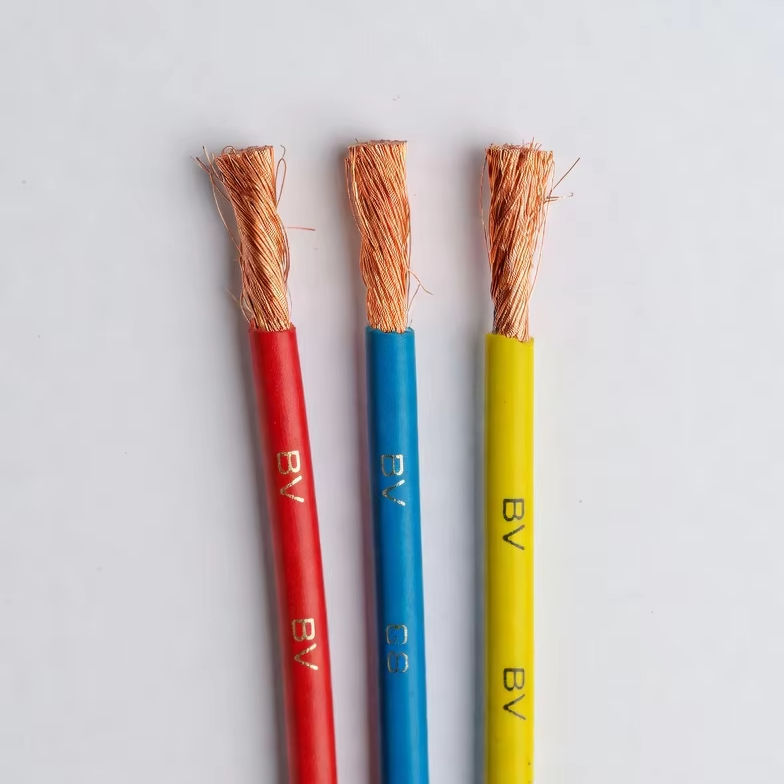
3. Working Temperature & Environment Conditions
Ambient temperature greatly affects cable current carrying capacity. Cables laid in high-temperature workshops, outdoor sun exposure environments and dense cable trenches have reduced heat dissipation efficiency. Under such harsh conditions, the actual safe current of the cable will decrease. Selecting a larger cable size or high-temperature resistant cable can effectively avoid safety hazards caused by heat accumulation.
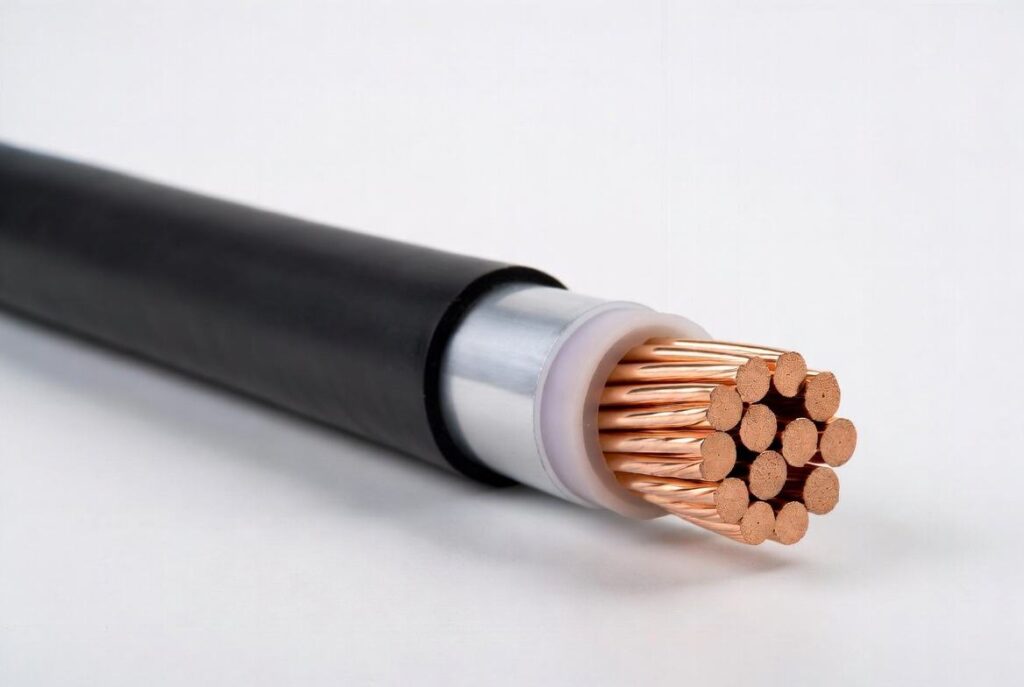
4. Wiring Method & Installation Density
Cable laying methods include open wiring, pipe threading, trench laying and buried wiring. Dense bundled wiring and multi-core crowded laying will cause poor heat dissipation. If the wire gauge is too small, continuous heat accumulation will accelerate insulation aging. Standardized size matching according to installation methods ensures long-term safe operation of the circuit.
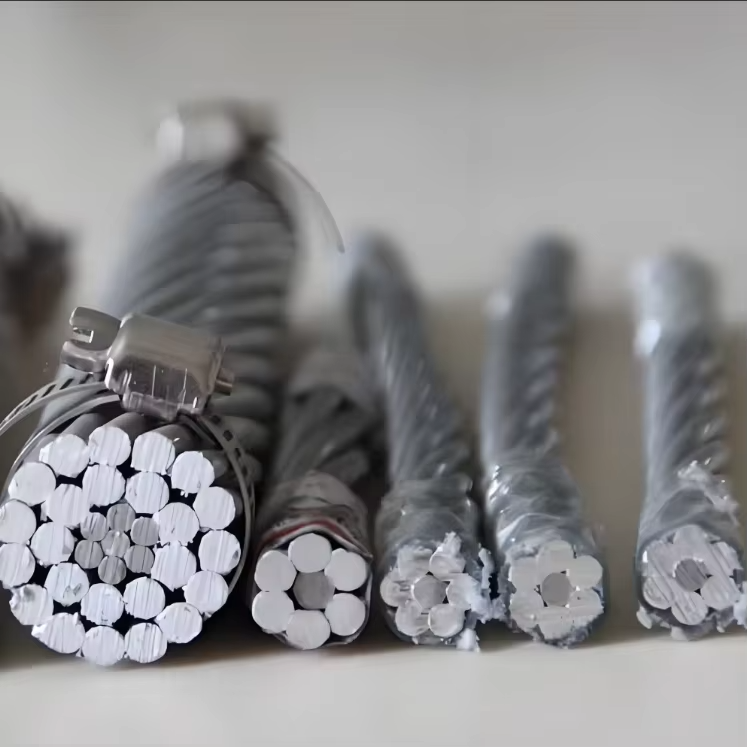
Common Consequences of Wrong Cable Size Selection
Undersized cables easily cause overheating, electric leakage, short circuits and fire risks, which cannot meet long-term load operation. Oversized cables increase material costs, construction costs and pipeline occupancy, resulting in unnecessary engineering waste. Accurate cable size matching balances safety and economy, which is the key to high-quality engineering construction.
Professional Cable Size Matching Solutions
Hunan Yidong Crosslinked Cable provides full-specification power cables with complete certifications, covering all common wire gauges for industrial, commercial and new energy scenarios. Our professional technical team offers free cable size selection and project matching solutions to avoid wiring safety risks and cost waste.
Contact us for accurate and cost-effective cable selection services. Official Website:https://yidongjiaolian.com