
PVC and XLPE are the two most common insulating materials for power and control cables. Most project engineers face confusion when choosing between PVC and XLPE cables due to different temperature resistance, lifespan, safety performance and cost. Improper material selection will cause cable aging fast, poor heat resistance and hidden safety risks. A clear comparison between PVC and XLPE cables helps you make cost-effective and reliable choices for all engineering projects.
With 15+ years of cable manufacturing and engineering service experience, Hunan Yidong Crosslinked Cable provides professional cable material comparison and selection guidance. We help global clients match the most suitable insulated cables for different application scenarios.
1. Basic Introduction to PVC and XLPE Cable
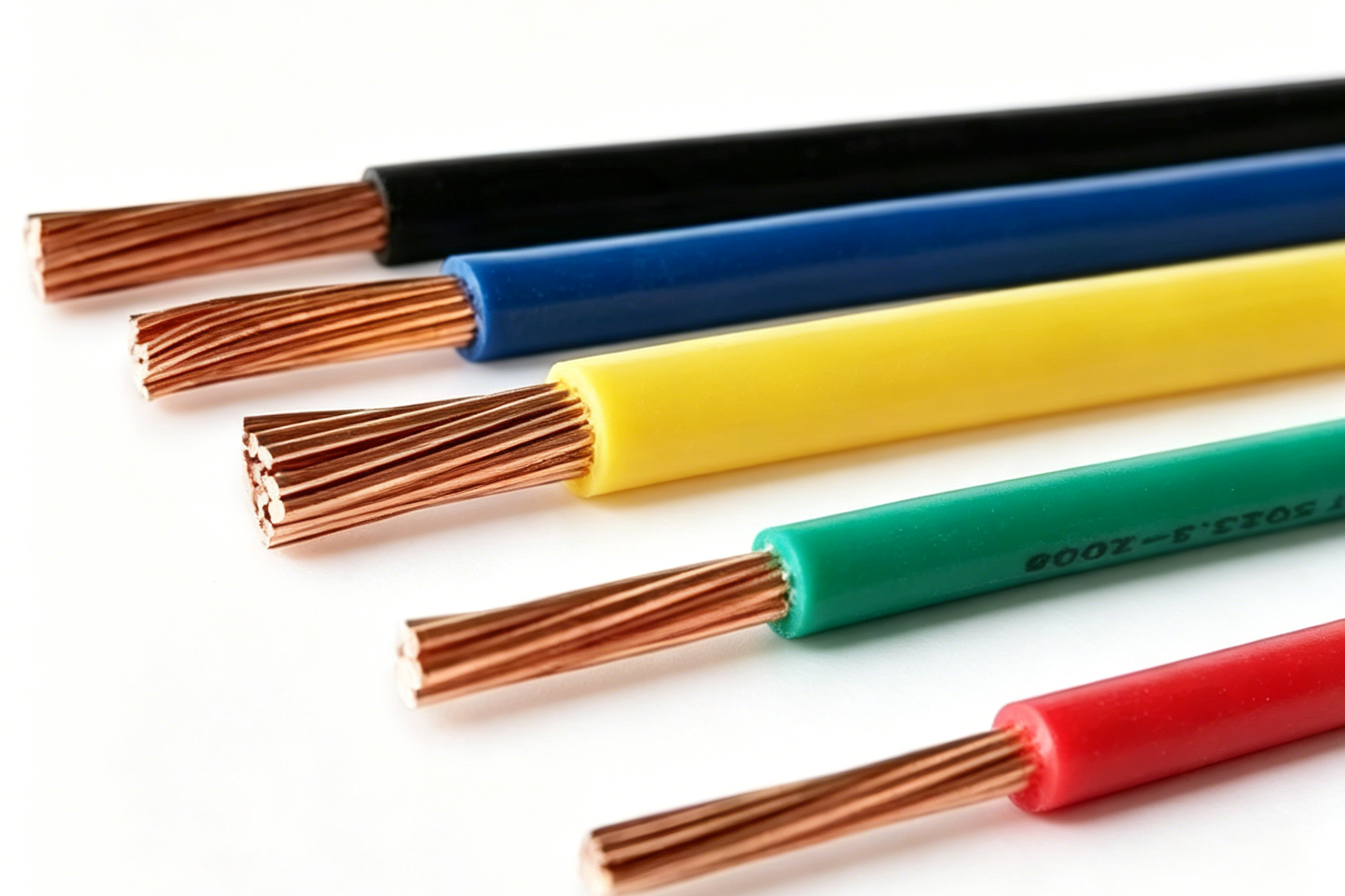
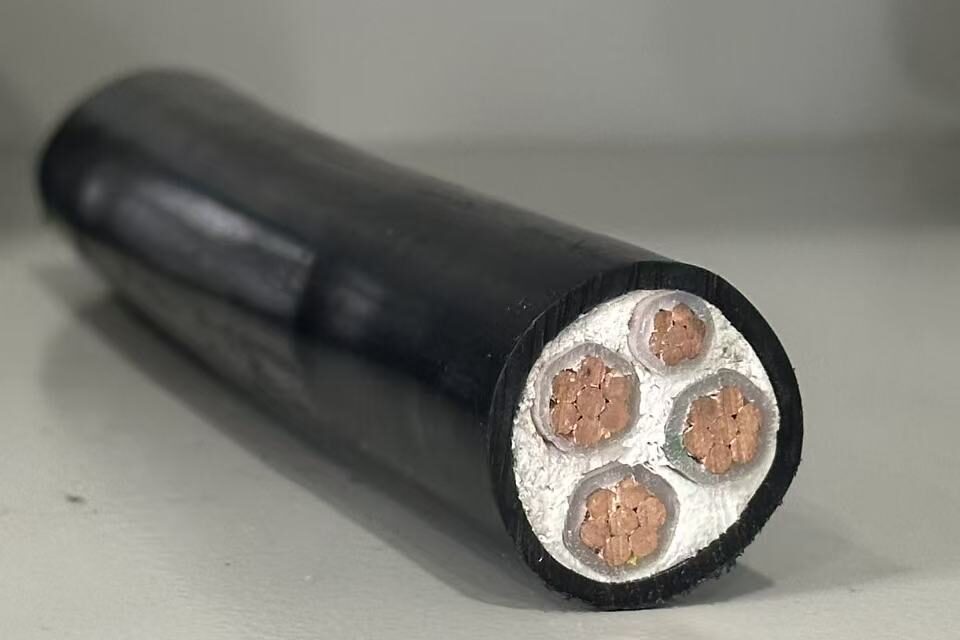
PVC cable adopts polyvinyl chloride insulation, featuring low cost, soft texture and mature production technology. It is one of the most traditional and widely used general-purpose cables for ordinary power distribution. XLPE cable refers to cross-linked polyethylene cable. Through cross-linking technology, the molecular structure is upgraded, greatly improving thermal resistance, mechanical strength and service stability compared with ordinary PVC cables.
2. Temperature and Heat Resistance Performance
Heat resistance is the biggest difference between PVC and XLPE cables. PVC cables can only withstand low continuous working temperatures and are prone to softening, deformation and aging under high temperature conditions. Long-term high-load operation easily causes insulation damage. XLPE cables support higher long-term operating temperature, featuring excellent thermal stability. They can withstand instantaneous high temperature overload without insulation melting or failure, which is more suitable for high-load and continuous power supply scenarios.
3. Service Life and Stability
PVC insulation is easy to harden, crack and age after long-term use, especially in outdoor, high-temperature and frequent load-changing environments. Its service life is relatively short. XLPE cross-linked insulation has strong anti-aging, anti-oxidation and anti-stress cracking capabilities. It maintains stable performance for a long time under complex working conditions and greatly extends cable service life.
4. Safety and Environmental Performance
When burning, PVC materials produce more smoke and harmful gases, limiting their use in densely populated public buildings and high-standard fireproof projects. XLPE cables feature low smoke, halogen-free and flame-retardant properties, releasing fewer toxic gases during combustion. They are safer and more environmentally friendly, meeting the fire protection and environmental protection standards of modern high-rise buildings, new energy stations and public infrastructure.
5. Application Scenarios Selection Guide
PVC cables are suitable for conventional indoor wiring, general commercial buildings and low-load civilian projects with low cost requirements. XLPE cables are the preferred choice for industrial plants, new energy projects, outdoor laying, high-load power distribution systems, subway and hospital infrastructure that require high safety, high temperature resistance and long service life.
Professional Cable Matching Solutions
As a professional cable manufacturer, we supply full series of PVC insulated cables and XLPE cross-linked cables that comply with international standards. We provide accurate material selection, specification matching and customized cable solutions according to project budgets and working conditions.
Contact us to get the most suitable cable solution for your project. Official Website: https://yidongjiaolian.com